
DJI drones for solar power plants
Thermal inspection of panels, site mapping and construction monitoring for solar plants. A dual-sensor drone finds overheated components and damage, while a dock station flies scheduled missions without sending a pilot to the site. Images go straight into analysis software and become a report.
Solar energy: challenges and outlook
The global shift to low-carbon energy is driving investment in solar generation, and plants keep getting larger. Ground-mounted plants cover hundreds of hectares and often sit far from cities — in the mountains, on industrial sites, along rivers. Because of their size and remoteness, inspections are rare, usually every 6–12 months or after severe weather. Cracked panels and hot spots are easy to miss on foot, and many trained inspectors are needed.
Defects are expensive. According to DJI materials, for a 10 MW mountain plant, generation losses from diode failures and hot spots range from 211,590 to 565,036 kWh per year, or USD 12–32 thousand at a tariff of USD 0.06/kWh. Overheated components also create a fire risk. Inspections must be documented, too: reports support warranty claims and keep the maintenance log.
DJI: end-to-end solutions for solar plants
DJI offers drone solutions for every stage of a solar plant’s life.
- Surveying and mapping: photogrammetry and LiDAR to assess the site (terrain, slopes, environmental conditions); RTK delivers centimetre-level accuracy.
- Design: DEM, DOM and 3D models help calculate the number of panels, their layout and tilt angle.
- Construction: regular orthomosaics compared with CAD drawings show installation progress and mounting errors.
- Operation: drones with thermal and RGB cameras find hot spots, damaged components, soiling and obstructions. Analysis is done in third-party software such as Sitemark or Raptor Maps.
- Distributed solar: on residential and commercial rooftops, drone capture is faster and safer than measuring from a ladder. According to AirTeam, about 30,000 m² can be captured in under five minutes.
DJI Dock 3: automated inspection
The dock launches, lands and charges the drone and runs the mission on its own. For a plant with Matrice 4TD, the workflow looks like this:
- Preparation: check the site for power, connectivity and space for the dock.
- Data capture: mapping and thermal flights. Mapping: altitude about 30 m, GSD 1 cm, speed 10 m/s, overlap 70% and 80%. Inspection: altitude 20–30 m, thermal GSD 3 cm, speed 5 m/s, overlap 70% and 30%, gimbal pointing 90° down, flight along the panel rows.
- Execution: RGB and thermal images are recorded simultaneously, with RTK ensuring accuracy.
- Analysis: images are uploaded to the cloud automatically; software detects defects and generates a report.
Flights run around the clock, on schedule or on demand. Routes, angles and data quality are identical every time, so results from different flights are easy to compare. Auto Dispatch assigns an available drone to a mission when triggered by an external system, and condition-triggered inspection (POI-CT) sends a drone to a set point when an anomaly is detected. The system can be deployed on your own servers so that the data stays with the plant owner.
What inspection finds
- Thermal defects: hot spots, bypass diode failures, open circuits, PID effect, overheating of junction boxes and inverters.
- Visible damage: broken glass, delamination, soiling, shading, bird droppings.
- Site condition: vegetation, racks and mounts, cables, power lines, roads.
The level of analysis (string, sub-string, individual module) depends on the capabilities of the processing software you choose.
Case studies: proven results
DJI solutions already work at real plants.
- Zhengdou (Sichuan, China): the world’s first ultra-high-altitude demonstration solar plant at 3,900–4,500 m, covering about 9.1 km² with a capacity of 130 MW. According to DJI, hot spots used to be checked manually every 90 days; with the dock they are checked every 5 days. The plant also monitors the site: if yaks wander onto the panels, they can be scared off with the drone’s speaker.
- Endesa (Enel, Spain): a pilot with DJI Dock 2 lasted 109 days and included 241 flights. Five scenarios were tested: a solar park, a thermal power plant, a construction site, a substation and a power line.
The future: automated solar O&M
Regular scheduled capture makes it possible to find faults early instead of waiting for the annual walk-through. The plant owner spends less on travel and field staff, sees the site better and receives ready-made reports for contractors and insurers. In addition, DJI states that Dock has a low regulatory barrier to adoption.
Recommended equipment
Kits for ground-mounted and distributed solar plants. We will help you choose between a dock station and a manually flown drone for the size of your plant.
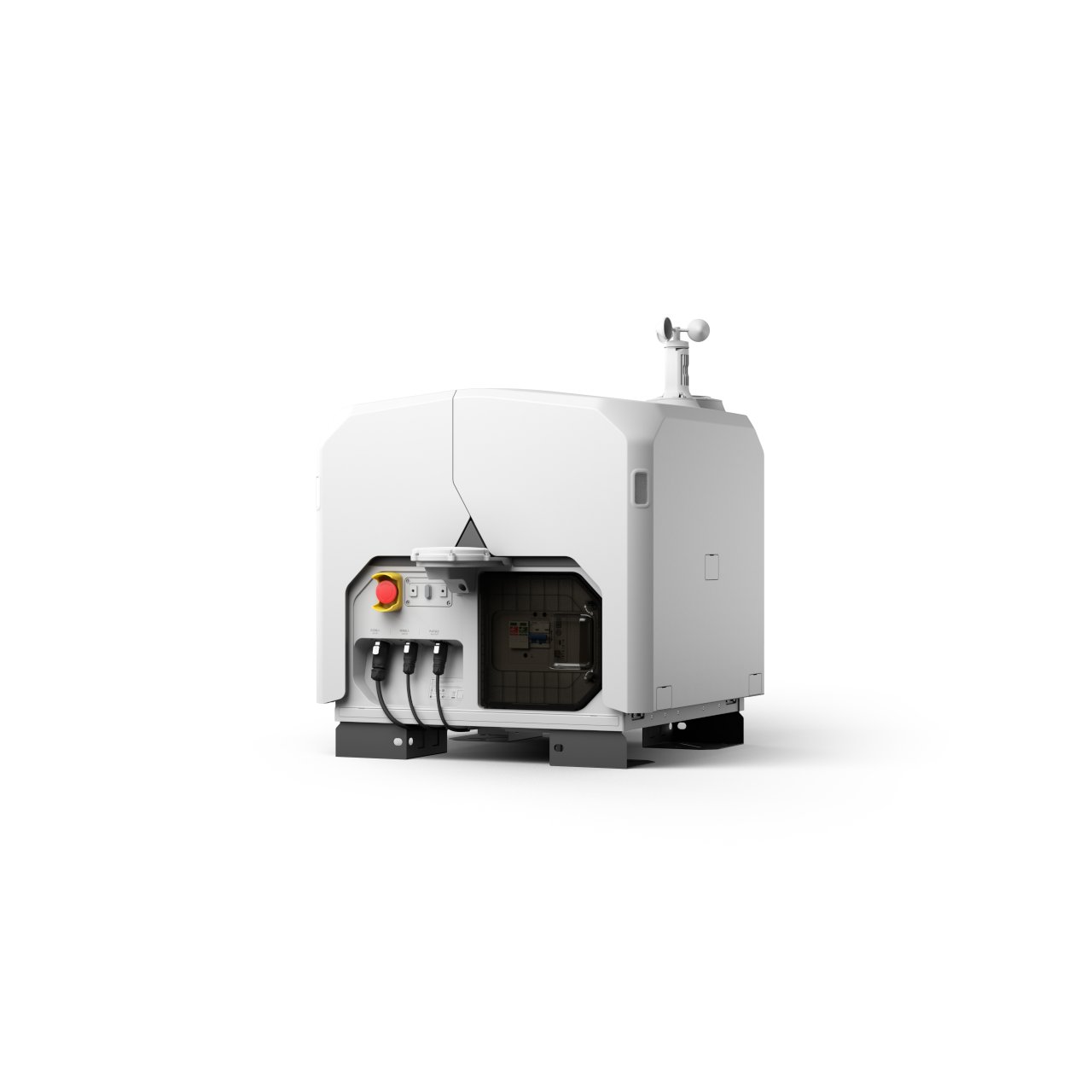 DJI Dock 3Automated scheduled thermal flights and mapping of solar plants without a pilotLearn more →
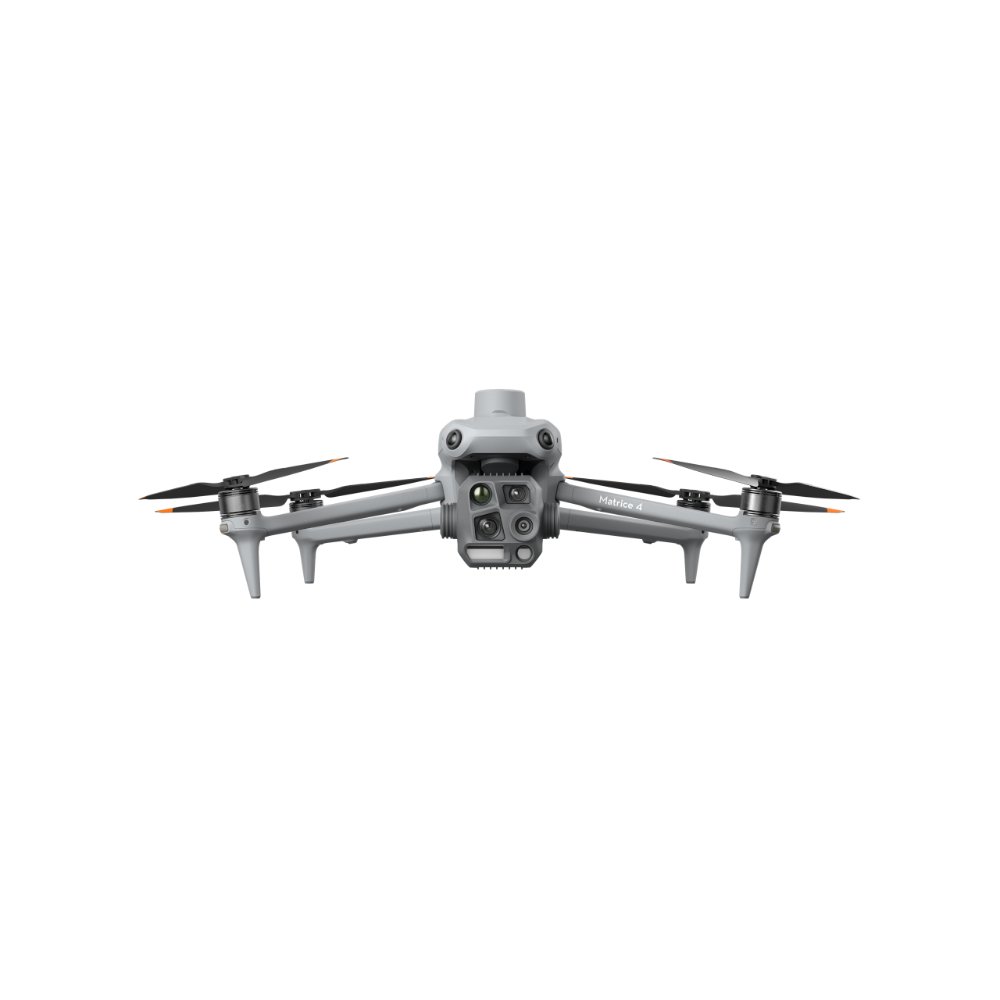 DJI Matrice 4TThermal diagnostics of solar panels and detection of module defectsLearn more →
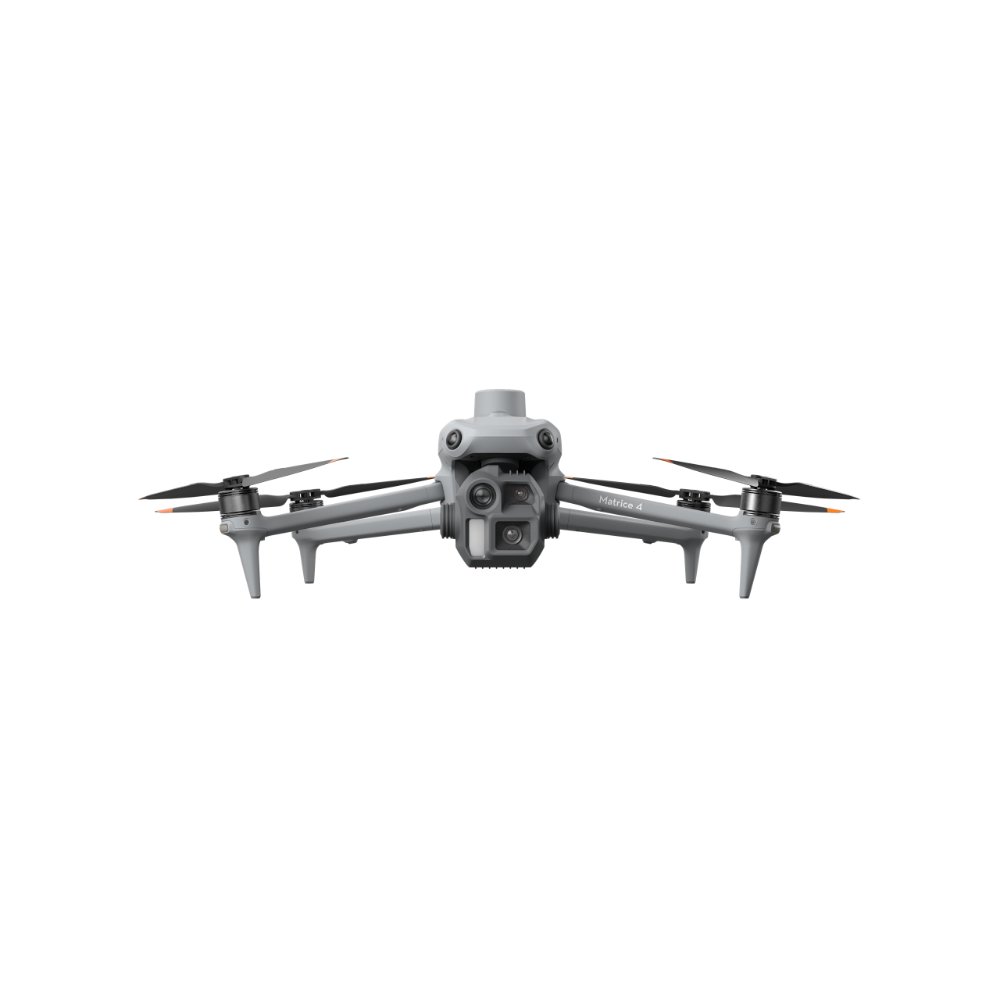 DJI Matrice 4EHigh-precision mapping and 3D models of assetsLearn more →
 DJI Matrice 400Platform for H30T, P1, L3 and other specialised payloadsLearn more →
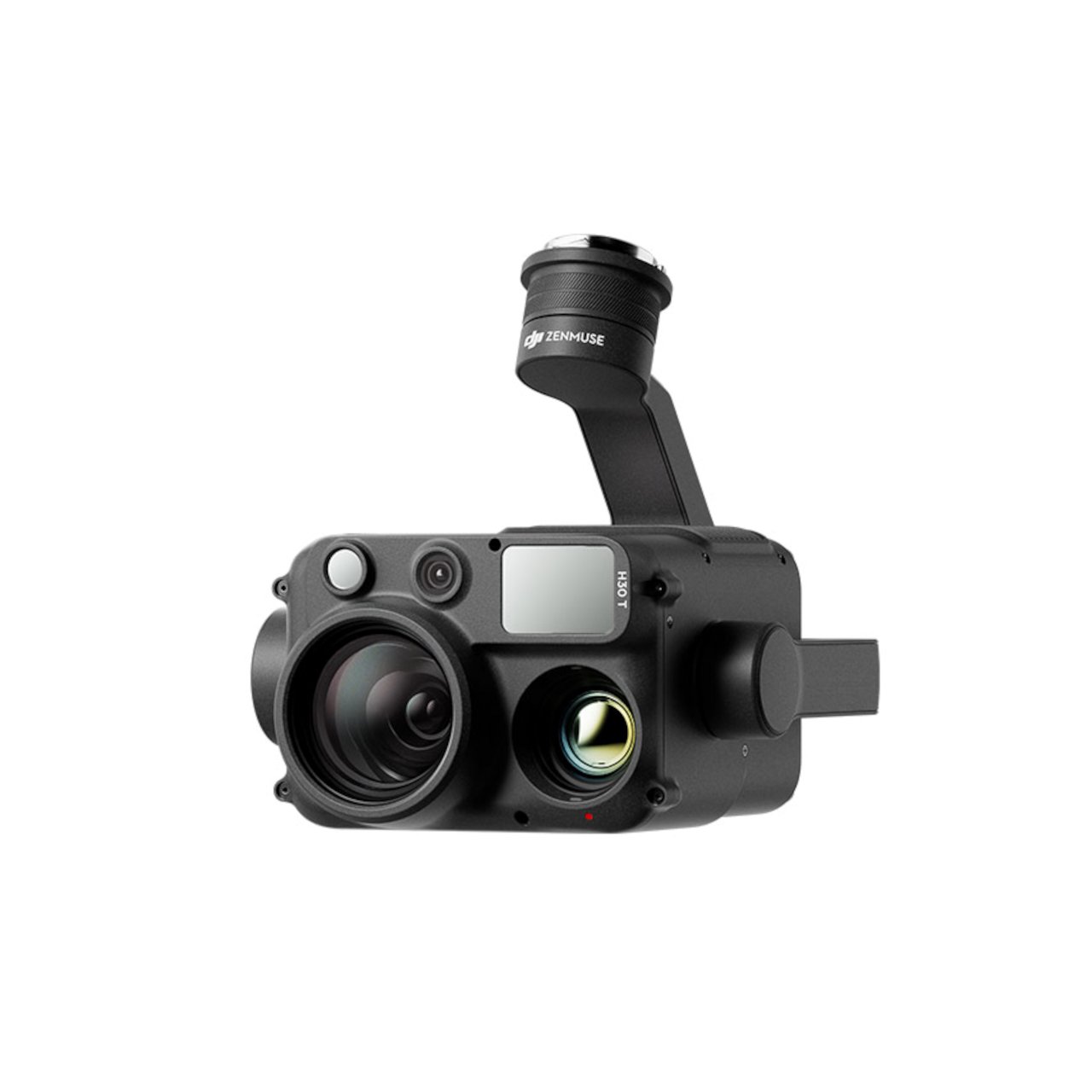 DJI Zenmuse H30TThermal camera and powerful zoom for diagnosing solar plant equipmentLearn more →
 DJI TerraOrthomosaics, 3D models and point clouds from drone dataLearn more →
Equipment selection for solar plants
Describe your plant (capacity, area, terrain) and the task. An X-FLY engineer will select the right kit and send you a commercial offer within one business day.
DJI solution for solar power plants
Technology, equipment and deployment examples on the official DJI Enterprise website.